
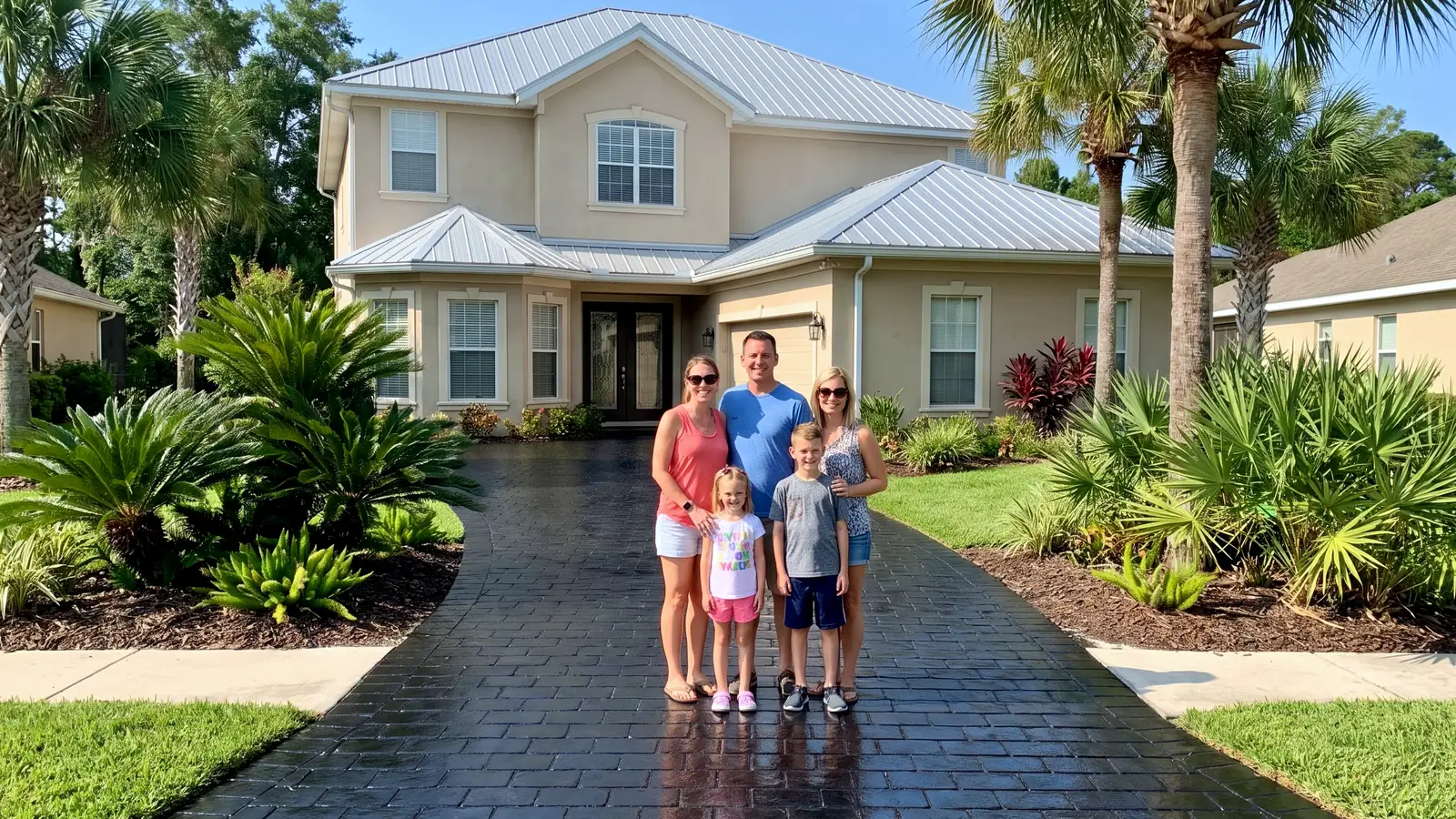
Bring tired pavers back to life
Paver Restoration and Resealing in Bradenton, FL
Call (941) 676-9503 for a free estimate to restore and reseal worn Bradenton pavers.
- Brings out deeper paver color
- Fresh joint sand helps lock pavers in place
- Gives weeds less room to grow
- Makes the surface easier to keep clean
- Free estimate, no obligation
Request a Free Estimate
Free, no obligation.
Can I get my worn pavers restored in Bradenton, and how soon?
A local contractor can restore and reseal pavers at your Bradenton, FL home, and you will hear back within 1 business day, usually much sooner. The first look and the written price are free, and booking is up to you. To begin, call (941) 676-9503.
Restoration is the job for pavers that have gone dull, patchy or green even though they were sealed once. It usually means a deep wash, refilled joints and a fresh coat, with a stripping step when the old coat has failed. Say what the surface looks like and how old the last coat is when you send a free estimate request.
What does restoration fix that a plain wash cannot?
A wash lifts dirt and algae. It cannot rebuild a coat that has peeled or fix joints that storms have emptied. Restoration puts the surface in order first, then the sealer goes on a clean, dry base. The Sarasota County company says it strips pavers when an earlier contractor did not do a good job. If that sounds like your drive, call (941) 676-9503.
Think of it as three questions. What is on the surface now, what is under it, and what is the plan to leave it better than it was? A contractor who can answer all three has looked at your pavers and not only measured them. Ask for those answers when you send a free estimate request.
Where is restoration available around Bradenton?
Homes in Bradenton and every place linked below can ask for a free look. Each page has local notes. Don't see your street named here? A call to (941) 676-9503 will tell you whether a contractor reaches it.
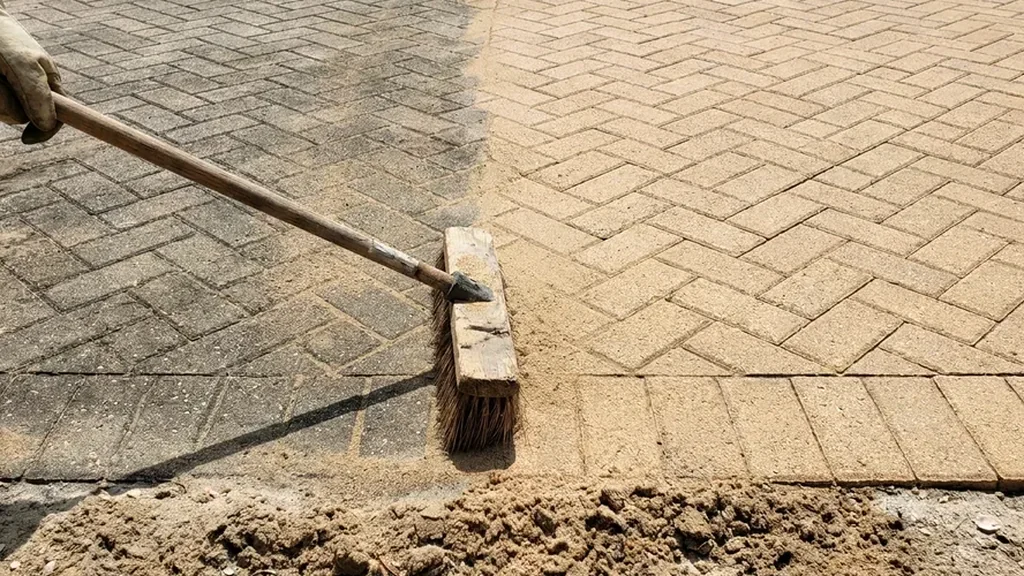
How do I know my sealer has failed?
Six signs show up again and again. None of them needs a tool to spot, and two or three together mean it is time for a look. If you recognize a few, mention them when you send a free estimate request.
Peeling or flaking coat
A coat that lifts at the edges has lost its grip. This is common where sun hits all day and where a solvent coat sits over an older film.
Cloudy or white patches
Unilock traces a whitish film to trapped moisture, too much sealer or an incompatible earlier product. A fresh coat on top will not fix it.
Water that no longer beads
A rinse that soaks in instead of beading means the top layer is worn. A Sarasota County company uses this as its refresh signal.
Flat color and thin joints
Sun fading and washed out joint sand come together in this climate, as a Manatee County company describes.
Green or orange stains that return
Shade growth and iron from sprinklers keep coming back through a worn coat, so the stain returns right after cleaning.
Rocking or sunk pavers
These point to the base, not the surface. They need leveling before anything is sealed.
Can a new coat go on top of the old sealer?
Sometimes, and the test spot decides. Unilock says a whitish film can come from sealing over an incompatible earlier product, and CMHA says a urethane sealer cannot be removed by recoating at all. Removal of that type means a hazardous stripper or sand blasting, so the work is left to professionals. To have a patch tested, call (941) 676-9503.
If the old coat is sound acrylic, a wash and a thin new coat may be enough. If it is peeling, hazy or unknown, stripping gives the new sealer something to hold. Ask how the contractor will tell the difference before you send a free estimate request.
Is stripping always part of paver restoration?
No. The Bradenton company that describes a two day clean and seal does not mention stripping, while the Sarasota County company lists it as a service for jobs that went wrong the first time. Stripping is a choice made by what the surface shows. CMHA says its chemical is hazardous and must be kept out of storm drains and soil. Ask what happens to the rinse water when you send a free estimate request.
What is the paver restoration process, step by step?
Most jobs follow the order below, and rain can stretch the dry time between steps. Ask which of them your pavers will need. To book, call (941) 676-9503.
1. Read the surface
The contractor looks for peeling, haze, sunk stones and stains, then tests a small spot to see what the old coat is and how it reacts.
2. Strip or wash
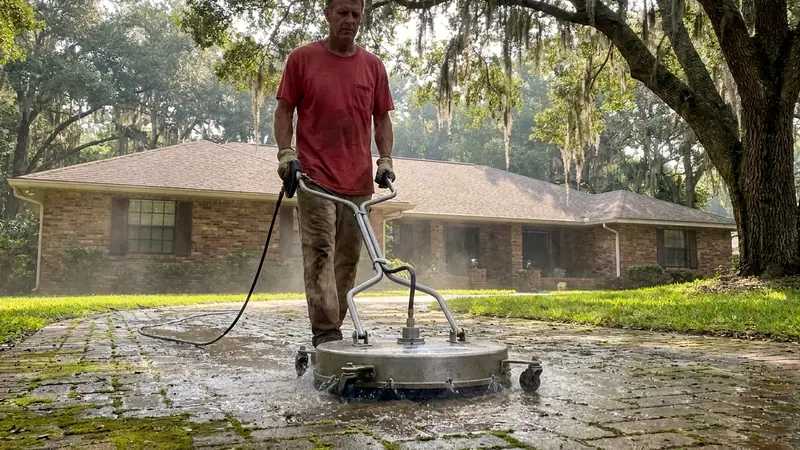
A failed coat may need a stripper. A coat that is sound can often get a wash with a surface cleaner, which the Bradenton company runs at 2,800 to 3,500 psi.
3. Treat stains and salts
Rust, algae and efflorescence get a product chosen for each. CMHA says to finish this before any sealer goes on.
4. Level and refill
Loose stones are re-set, then polymeric sand goes in and the surface is cleared of extra.
5. Dry for 24 hours
CMHA wants a full 24 hours of dry surface before sealer. Sprinklers stay off.
6. Seal and cure
One careful session, then foot and wheel traffic stay away until the coat has set.
What does paver restoration cost in Bradenton?
No page checked for this market publishes a rate for stripping or restoration, so the table is built from published pieces. A Sarasota County company publishes $1 to $3 per square foot to clean, sand and seal, and a Bradenton company says pricing starts at $1.50 for a clean, polymeric sand and two coats. Stripping, leveling and stain work come on top, and they should appear as separate lines. For your own figures, send a free estimate request.
Heavy peeling, repeated stains and sunk areas all add labor. A bid with no stripping line on a surface that is already peeling deserves a question. If you hold one already, call (941) 676-9503 and set it beside these figures.
| Paved area | Typical example | Clean, sand and seal |
|---|---|---|
| 400 sq ft | Entry and front walk | $400 to $1,200 |
| 800 sq ft | Long driveway | $800 to $2,400 |
| 1,200 sq ft | Pool deck and lanai | $1,200 to $3,600 |
| 2,000 sq ft | Driveway and back patio | $2,000 to $6,000 |
Every figure multiplies the $1.00 to $3.00 per square foot that Southwest Florida paver companies publish for the clean, sand and seal part only. Ask for stripping and repairs on their own lines.
Want a free estimate to restore your Bradenton pavers?
Use the form or call, and a contractor answers within 1 business day, often earlier.
Free, no obligation
Why do Bradenton pavers wear out so quickly?
A Bradenton company lists humidity, more than 60 inches of rain, Gulf salt drift and irrigation overspray, and the Wikipedia normals show 56.28 inches in a typical year with July highs near 92 degrees. A Manatee County company adds sun fading, algae in shade and sand washed out by storms. That mix is why most coats here last two to three years. To see how it applies to your yard, call (941) 676-9503.
Myakka fine sand, Florida's state soil, is sand through about 80 inches and passes water quickly, which helps drainage but lets joint sand move when water runs. Trees and sprinklers add leaf stains and iron. Point out the heavy shade and sprinkler heads when you send a free estimate request.
How often should pavers be resealed in Bradenton?
Plan on two to five years. A Manatee County company says most coats last two to three years in local humidity, the Bradenton company says three to five in Southwest Florida sun, and Unilock puts reapplication at three to five with high use areas sooner. A Sarasota County company says one to five. Pool decks and driveways sit at the short end. To have your coat checked, call (941) 676-9503.
Does more sealer make a restoration last longer?
No. Unilock links a whitish film to too much sealer, and CMHA says most sealers need only one coat. Layers laid before the earlier one has set can leave uneven gloss, so Unilock advises sealing in one session. Where a Bradenton company applies two coats, the label or the product design sets that. Ask why a bid lists three or four when you send a free estimate request.
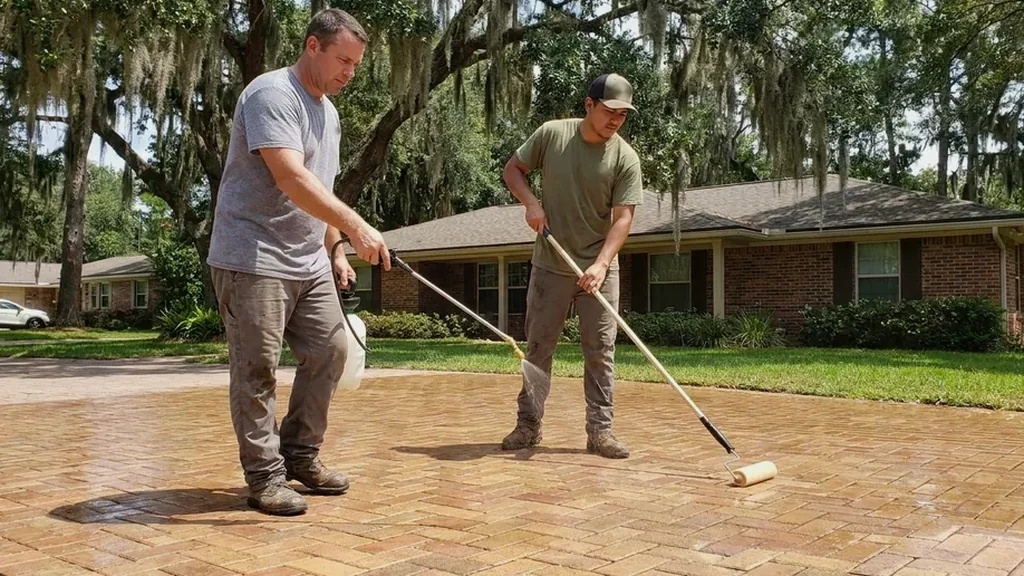
When is the right season to restore pavers here?
Unilock aims for 50 to 90 degrees, with 75 as the ideal and clear skies for 24 to 48 hours. The Sarasota County company points to fall and spring, and the Bradenton company suggests late winter or early spring before pollen and the rainy season. Rain in June through August fills the calendar with gaps. To book around the weather, call (941) 676-9503.
What if my pavers sank, shifted or rock underfoot?
That is a base problem. Unilock says sealing is not a cure for poor drainage or subbase trouble, and CMHA says pavers can be lifted and replaced one at a time. A contractor can re-set loose stones before the wash and seal. Leveling is usually its own price, so ask for it by name when you send a free estimate request.
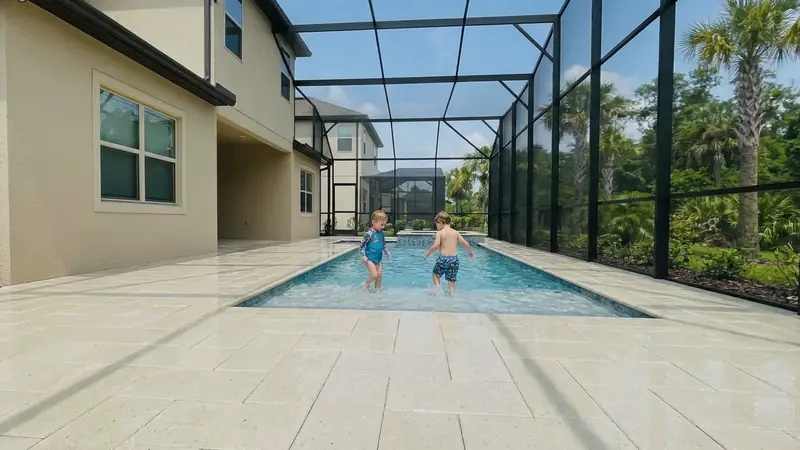
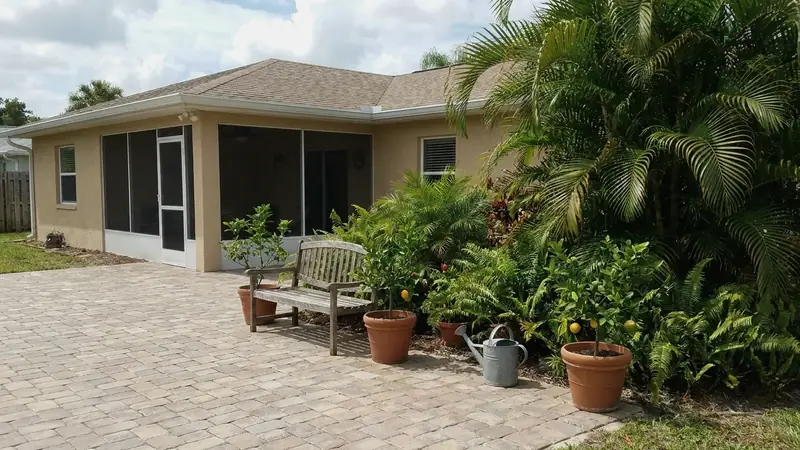
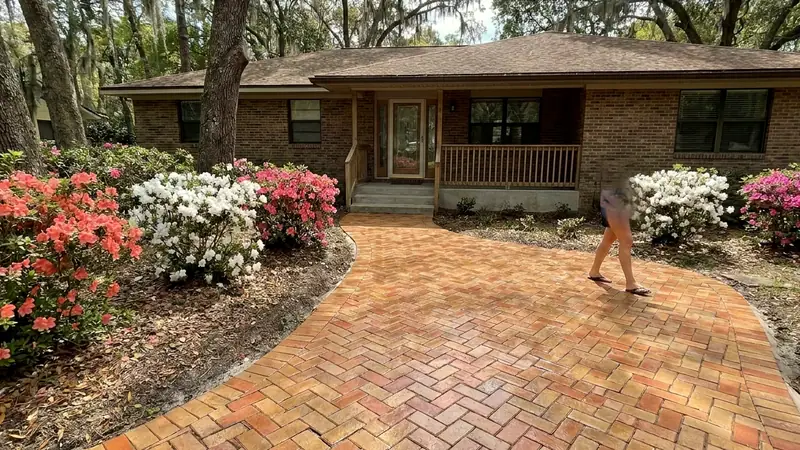
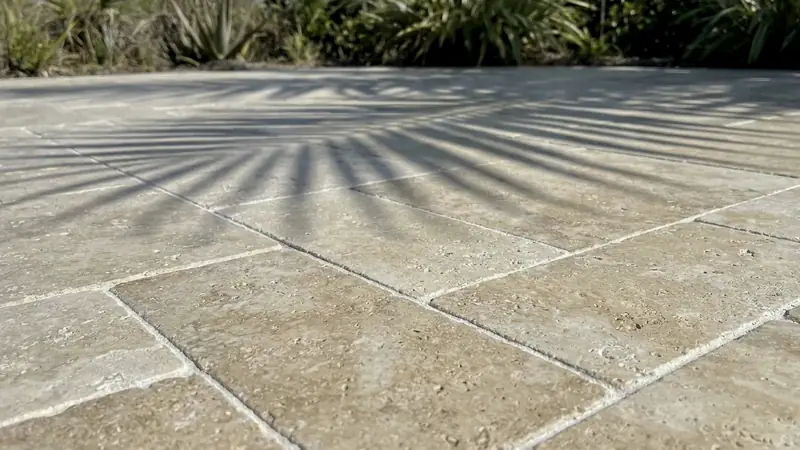
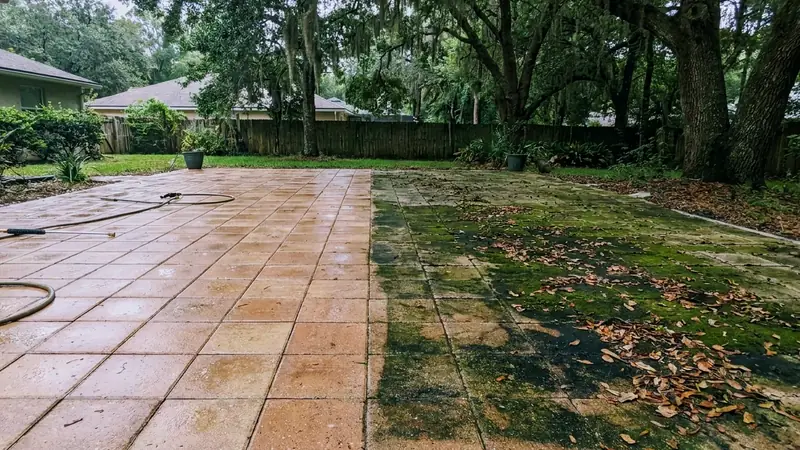
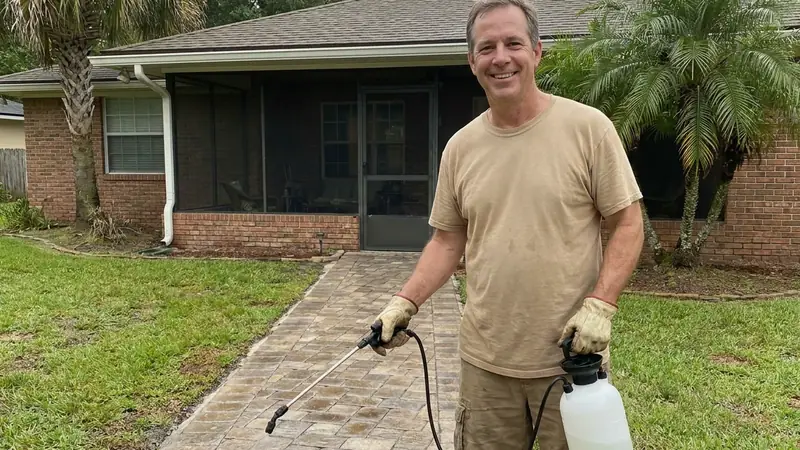
How do restored pavers look around Bradenton?
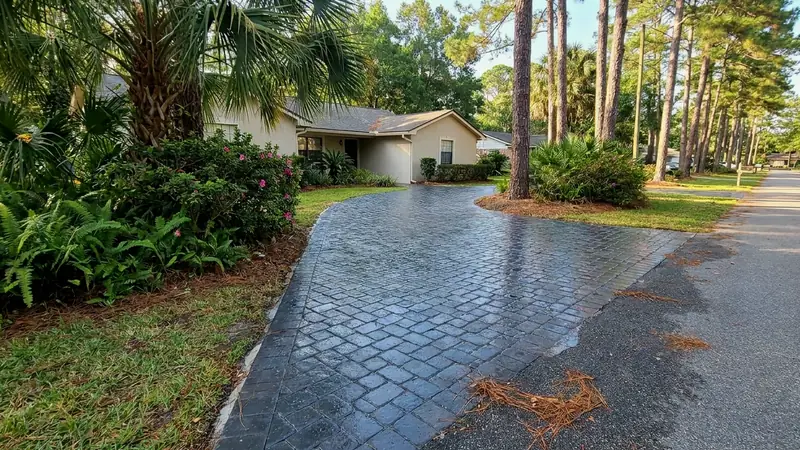
Frequently asked questions about paver restoration
What is the average cost to seal pavers in Florida?
A Sarasota County paver company publishes $1 to $3 per square foot to clean, sand and seal, and says labor, materials and sealer type set the price. A Bradenton company says pricing starts at $1.50. Stripping an old coat is extra, and no page checked for this market lists a stripping rate, so ask for it on its own line.
What is the average lifespan of pavers?
No page checked gives one figure for the pavers themselves. Unilock says its pavers do not need sealer to stay structurally sound, and CMHA says interlocking pavers can be cleaned or replaced one at a time. The coat on top is the part with a schedule, usually two to five years.
How can I fix a sinking paver patio?
Sealer cannot do it. Unilock says sealing does not cure poor drainage or subbase trouble. A sunk patio needs the pavers lifted, the base leveled and the stones set back, and then it is ready for sand and sealer. Ask for that as a separate line on the bid.
Do I need to clean my pavers before sealing them?
Yes. Unilock says to clean first because sealer can make stains more visible, and CMHA says to seal only after stains and efflorescence are treated and the surface has stayed dry for at least 24 hours.
Can a new coat go over an old sealer?
Sometimes. Unilock says a whitish film can come from sealing over an incompatible earlier product, and CMHA says a urethane coat cannot be removed by recoating. A contractor should find out what is on the surface with a test spot before choosing a new product.
How do I know if my sealer has failed?
Look for peeling, cloudy white patches, a rough or tacky feel, or water that no longer beads. A Sarasota County company says water that stops beading is a sign of wear. Color that has gone flat between two to five years is also common in Bradenton sun.
Does stripping remove every trace of the old sealer?
Not always. Stripping uses a chemical to break the bond, and CMHA warns that the stripper used on urethane coatings is hazardous and must not reach storm drains or soil, so that job is left to professionals. Ask how leftover coat is handled.
Is polymeric sand part of a restoration?
Usually. A Bradenton company resets polymeric sand before two coats of sealer, and CMHA says stabilized joint sand is optional but advised on slopes over 7 percent. Washing pulls old sand out, so most restorations refill the joints.
How long before I can use the restored area?
A Manatee County company says feet are fine after 4 to 6 hours and cars after 24 to 48, and a Bradenton company says pavers are usable within 72 hours of the visit. Rain extends the wait, so the sealer label has the final word.
Can faded pavers have their color brought back?
Often a wash and a new coat do it. Unilock says sealing can deepen color and resist UV fading, and a Bradenton company offers optional color enhancement for faded pavers. Results depend on how far the color has gone, so ask to see a sample.
More paver services in Bradenton
If the job turns out to be simpler or bigger than restoration, another page may fit better. Call (941) 676-9503 to talk it through.
Ready to bring your pavers back?
A short request or a call is all it takes, and a contractor replies within 1 business day, often within hours.
Free, no obligation